Discover the Power of Nature's Nutrition
Explore the science-backed health benefits of vegetables and fruits. Your guide to holistic eating and wellness.
Featured Produce Categories
 Top Pick
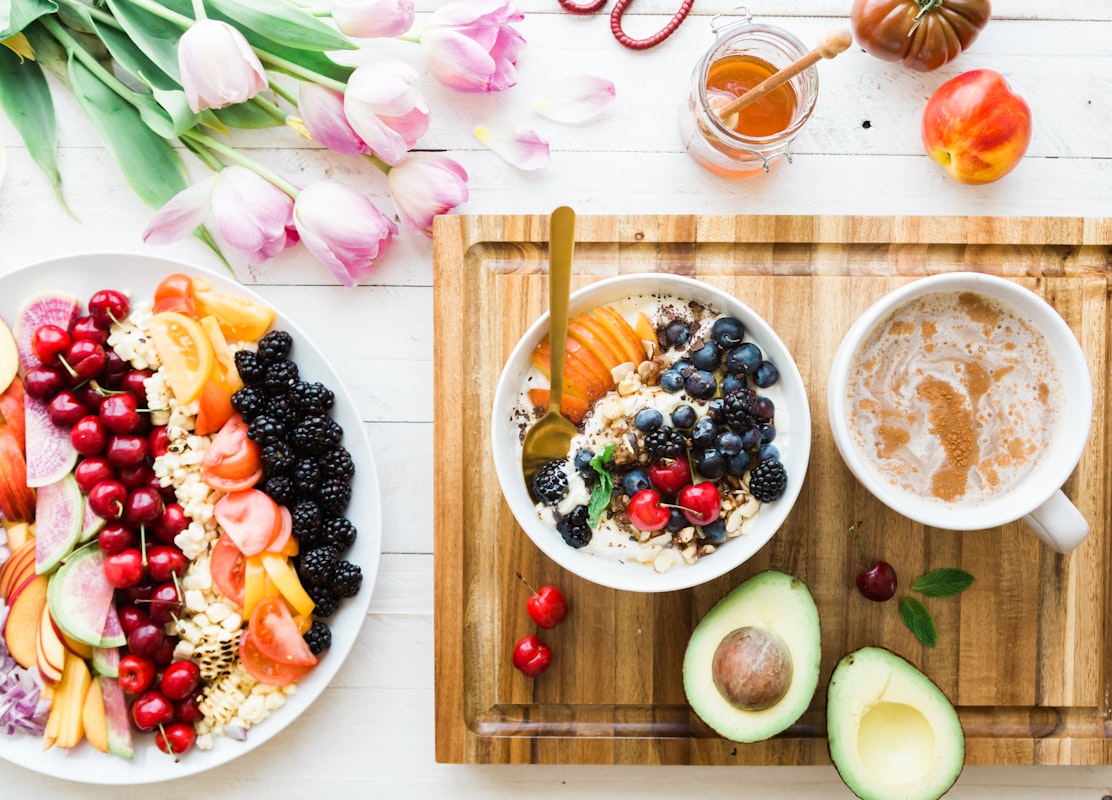
Leafy Greens & Vegetables
From spinach to kale, discover how leafy greens support your immune system, boost energy, and promote digestive wellness through nutrient-dense nutrition.
Explore vegetables →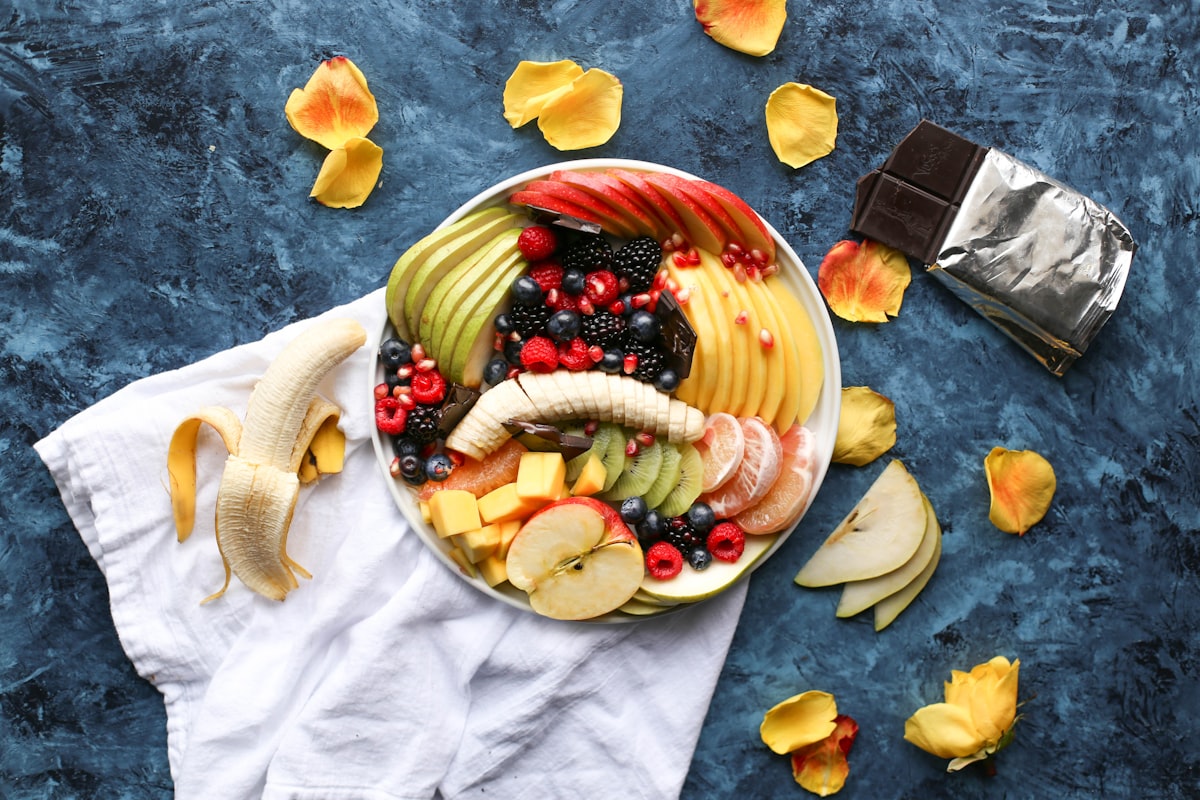 Popular
Fresh Fruits
Explore berries, citrus, and tropical fruits rich in antioxidants and vitamins. Learn how seasonal fruits enhance vitality and support optimal health naturally.
Discover fruits →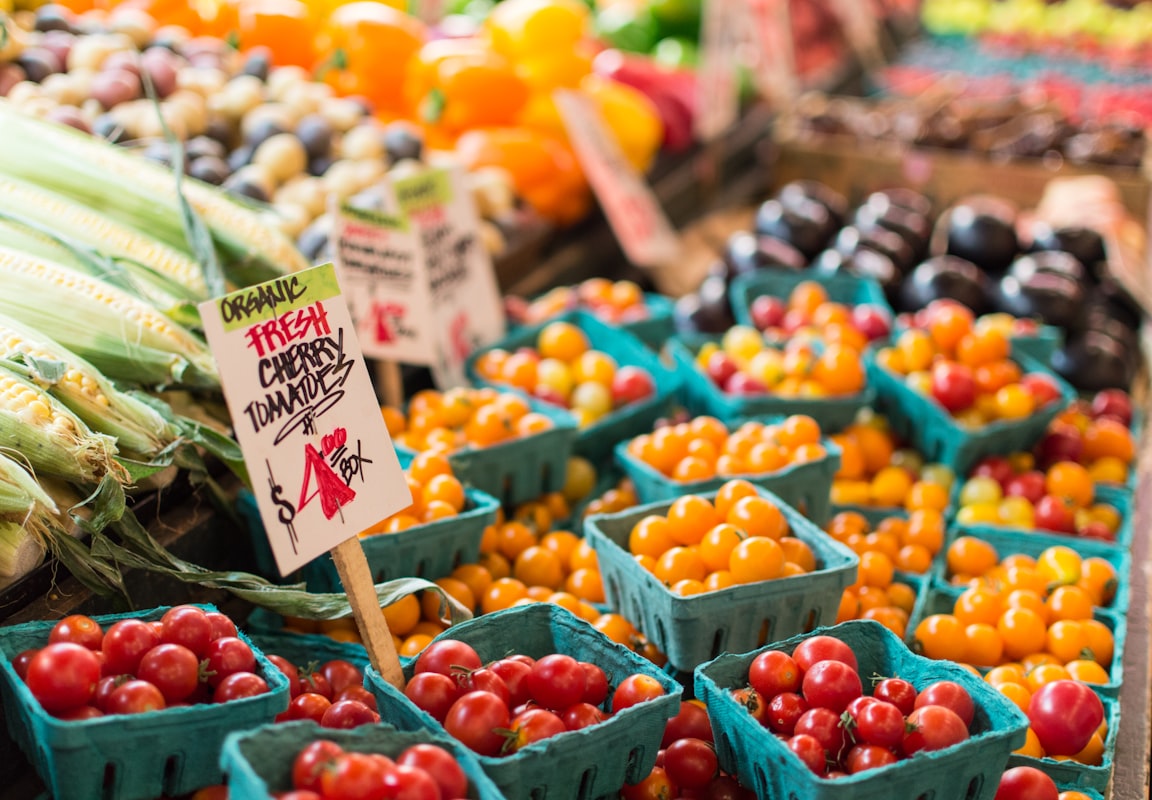
Root Vegetables & Legumes
Discover the nutritional power of roots and legumes, packed with fibre and minerals that ground your diet and sustain energy throughout the day.
Learn more →Why Choose Holistic Eating Style
We believe that true wellness comes from understanding the authentic benefits of whole foods. Our editorial approach is grounded in nutritional science, helping you make informed choices about what you eat.
- Science-Backed Content: Every article is researched and evidence-informed, not promotional claims.
- Practical Guidance: Learn actionable steps to incorporate seasonal produce into your daily life.
- Holistic Perspective: We explore nutrition, wellness, and sustainable eating as interconnected practices.
- No Commercial Agenda: Our editorial team focuses on education, not selling products or services.

Seasonal Eating Benefits
Understanding how seasonal produce supports your body throughout the year is key to sustainable wellness. Discover the nutritional wisdom of eating with nature's rhythms.
Spring & Summer Harvests
Spring and summer bring an abundance of light, nutrient-rich vegetables and fruits. Leafy greens, berries, and stone fruits support detoxification, enhance digestion, and provide refreshing energy as temperatures rise. These seasons encourage lighter eating patterns that align with your body's natural needs.
Fresh herbs like basil and cilantro, combined with summer vegetables, offer both flavour and phytonutrients that support your immune system and overall vitality.
Autumn & Winter Abundance
As temperatures drop, root vegetables, squashes, and storage crops become abundant. These denser, warmer-natured foods provide sustained energy, support grounding, and contain compounds that help your body adapt to colder months. Cruciferous vegetables peak in nutritional density during autumn and winter.
Citrus fruits, pomegranates, and other winter crops offer protective antioxidants that help maintain wellness during seasonal transitions.
Nutritional Spotlight: Superfoods
Broccoli & Cruciferous Vegetables
Rich in sulforaphane and glucosinolates, cruciferous vegetables support cellular health and contain compounds studied for their potential wellness benefits. They're nutrient-dense, low in calories, and versatile in the kitchen.
Berries: Nature's Antioxidants
Blueberries, blackberries, and raspberries are packed with anthocyanins and polyphenols. These compounds have been extensively researched for their antioxidant and anti-inflammatory properties, making them nutritional powerhouses.
Tomatoes & Lycopene
Tomatoes contain lycopene, a carotenoid linked to cardiovascular wellness. Cooking tomatoes increases lycopene bioavailability, making them an excellent addition to soups, sauces, and cooked dishes for maximum nutritional benefit.
Leafy Greens: Nutritional Density
Spinach, kale, and Swiss chard provide iron, calcium, magnesium, and vitamins K, A, and C. These greens support bone health, energy production, and contain lutein for eye wellness. They're best consumed raw or lightly cooked.
Sweet Potatoes: Sustained Energy
Rich in complex carbohydrates and beta-carotene, sweet potatoes provide sustained energy and support vision and immune function. They're naturally sweet, making them satisfying while maintaining stable blood sugar levels.
Avocado: Healthy Fats
Avocados provide monounsaturated fats that support heart health and nutrient absorption. They're rich in potassium, fibre, and vitamin E. Their creamy texture makes them perfect for smoothies, salads, and spreads.
From Farm to Table: The Journey
Selection & Growth
Farmers select heritage and nutrient-rich varieties suited to their soil and climate. Proper crop rotation and seasonal timing ensure maximum nutritional density. Understanding what grows when in your region is the foundation of holistic eating.
Harvesting at Peak Ripeness
Produce harvested at peak ripeness contains maximum nutrients and flavour. Local sourcing reduces transport time, preserving vitamins and minerals. Understanding harvest timing helps you select the most nutritious options at farmers' markets and shops.
Storage & Handling
Proper storage techniques maintain nutritional quality and freshness. Understanding which produce requires refrigeration, root cellar storage, or counter ripening optimises your intake of nutrients. Fresh consumption within days of harvest is ideal.
Preparation & Consumption
How you prepare produce affects nutrient availability. Raw consumption preserves heat-sensitive vitamins like vitamin C. Gentle cooking can enhance others like lycopene. Learn cooking methods that maximise both nutrition and enjoyment of whole foods.
Common Questions About Produce & Health
Is organic produce always better?
Both conventional and organic produce provide nutritional benefits. Organic farming typically avoids synthetic pesticides, while conventional farming uses regulated standards. What matters most is eating a variety of fresh fruits and vegetables. Local and seasonal options, regardless of certification, often contain higher nutrient density due to ripeness and freshness.
How much produce should I eat daily?
Most health guidelines recommend consuming at least five portions of fruits and vegetables daily, aiming for a variety of colours and types. A portion is roughly a handful or medium-sized piece. Focus on eating the rainbow—different colours provide different phytonutrients. Start with what feels sustainable for your lifestyle and gradually increase.
Should I eat raw or cooked vegetables?
Both raw and cooked vegetables have benefits. Raw vegetables preserve water-soluble vitamins like vitamin C. Cooking breaks down cell walls, making some nutrients like lycopene and beta-carotene more bioavailable. Aim for variety—enjoy salads, steamed vegetables, and roasted produce throughout your week for maximum nutritional benefit.
Can frozen or canned produce be as nutritious?
Yes! Frozen produce is typically flash-frozen at peak ripeness, preserving nutrient content. Canned vegetables in water without added salt are also nutritious options, though some processing-sensitive vitamins may decrease. They're convenient alternatives when fresh options are unavailable, providing accessibility to nutritious foods year-round.
How do I prevent food waste with produce?
Plan meals around seasonal availability, store produce properly, and understand shelf life. Eat most perishable items first, save vegetable scraps for broth, and freeze overripe produce for smoothies or cooking. Root vegetables last longer than leafy greens. With mindful shopping and preparation, you can minimise waste while supporting your nutrition.
Are there vegetables I should eat more of?
Cruciferous vegetables (broccoli, cabbage, Brussels sprouts) and leafy greens (spinach, kale) are exceptionally nutrient-dense and should feature regularly in your diet. Root vegetables provide sustained energy. Aim for at least three servings of vegetables per day, with variety across colour families. Each provides unique phytonutrients supporting different aspects of wellness.
What Our Readers Say
"I've learned so much from Holistic Eating Style about which vegetables to prioritise during each season. The articles are evidence-based without being overwhelming, and the practical tips have genuinely transformed how I approach my meals. Now I understand why my energy levels shift with the seasons and how to support that naturally."
Sarah Mitchell
Leeds
"As someone interested in sustainable living, I appreciate how Holistic Eating Style connects nutrition with environmental awareness. The guide on seasonal produce helped me shift my shopping habits. The content is trustworthy, detailed, and free from commercial pushiness. Exactly what I was looking for."
Michael Thomson
Manchester
"I've tried many nutrition websites, but most are trying to sell you something. Holistic Eating Style is refreshingly different. The articles on superfoods and their actual benefits, backed by real research, have helped me make smarter choices. My digestion has improved and I feel more grounded eating seasonally."
Emma Williams
Bristol
"The detailed explanations of nutrient bioavailability—like how cooking affects lycopene or pairing foods for iron absorption—have been genuinely educational. I appreciate the holistic approach that doesn't demonise any food group. This is content created for understanding, not selling. Highly recommended."
David Harris
London
Explore Our Educational Resources
Dive deeper into the world of nutrition, wellness, and holistic eating. Our editorial team provides in-depth articles, guides, and science-backed information to support your health journey.
Browse Articles
Access our complete library of articles covering seasonal produce, nutrient profiles, preparation methods, and the science behind food's impact on wellness. Updated regularly with new research and insights.
Frequently Asked Questions
Find answers to common questions about vegetables, fruits, nutrition, and holistic eating. Our FAQ section covers practical concerns and evidence-based information to support your wellness goals.
View FAQHave questions about our content or want to share feedback?
Contact Our Editorial TeamStart Your Wellness Journey Today
Discover the transformative power of eating seasonally, understanding nutrients, and building a sustainable relationship with whole foods. Our comprehensive guides and articles are here to support every step of your holistic eating journey.
Editorial office: King Street 104, Leeds | Email: [email protected]